

Healwise helps patients, families and referring physicians prepare complex neurological and neurosurgical cases for specialist review—and coordinates the pathway from medical records to consultation, treatment and follow-up.
Neurosurgical case coordination for international patients
Budapest-based coordination
International case support organized from Hungary.
Neurosurgical specialization
Focused on complex neurological and neurosurgical pathways.
Real pathway experience
Coordination across records, providers, treatment and follow-up.
Specialist-team communication
Structured preparation for appropriate clinical review.
Choose the route that fits your role
Each visitor should be able to reach the correct next step without navigating through the whole website.
Patient or family member
Submit the available information and documents for initial case preparation and pathway review.
Referring physician
Refer a complex case and coordinate document review, specialist communication and follow-up handover.
Insurer, embassy or organization
Discuss funding, guarantee-of-payment, institutional referral or coordinated international care requirements.
What Healwise does
We provide the coordination structure around complex international cases. Diagnosis and treatment decisions remain with licensed clinical teams.
Review and organize case information
We structure medical reports, imaging information, clinical history, prior treatment and the questions that need review.
Identify missing records and pathway
We identify documentation gaps and prepare the case for the appropriate specialist, multidisciplinary or diagnostic pathway.
Coordinate consultation and treatment
We support specialist communication, appointment planning, diagnostics, treatment preparation and provider coordination.
Manage communication and follow-up
We help organize interpretation, practical logistics, discharge communication and follow-up handover where needed.
What happens after you contact Healwise
A visible five-step process keeps the next action clear while separating administrative coordination from clinical decision-making.
Initial administrative response: normally within two business days. This is not a guarantee of clinical review or appointment timing.
Why patients and partners choose Healwise
- Focused experience in complex neurological and neurosurgical coordination.
- Structured preparation of medical information before specialist review.
- Experience across real international patient journeys.
- Communication with specialist and hospital teams throughout the pathway.
- Clear role boundaries: Healwise coordinates; licensed clinicians diagnose and treat.
What credibility should mean here
Healwise does not rely on generic claims about being the “best” or “fastest.” Credibility comes from specialization, documented coordination experience, transparent provider communication, named clinical pathways and patient experiences that show what support was actually delivered.
Every case still requires independent clinical assessment. Availability, suitability, cost and timing depend on the documentation and the receiving provider.
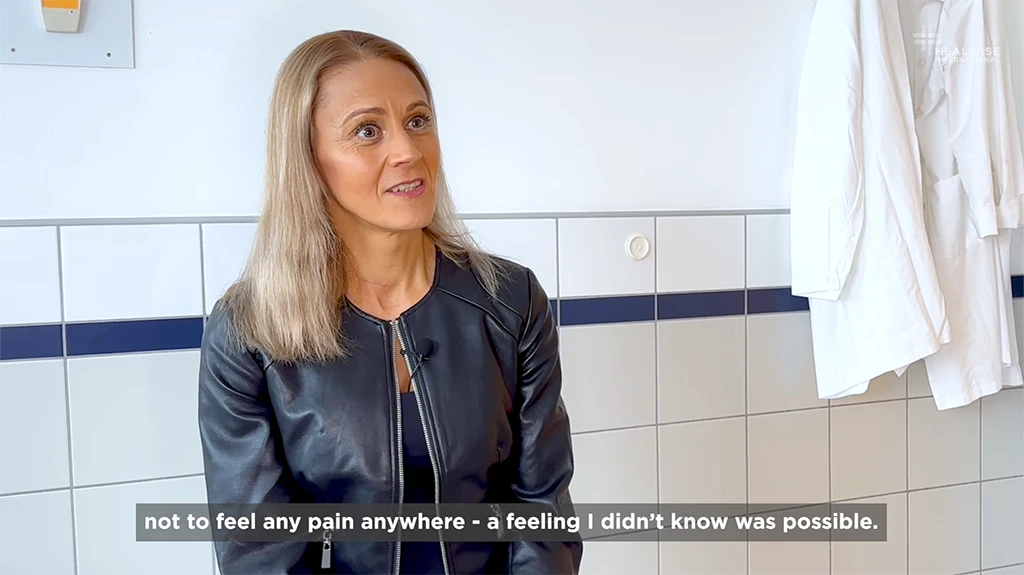
Patient experiences
Real experiences with coordinated international care. Individual outcomes vary, and every case requires specialist assessment.











Frequently asked questions
Quick answers about case submission, specialist review and the role of Healwise.
What types of cases does Healwise coordinate?
Healwise focuses on complex neurological and neurosurgical pathways, including movement disorders, complex spine, neuro-oncology, cerebrovascular, epilepsy, functional neurosurgery and selected pediatric or rare conditions. Every inquiry is first reviewed for fit and documentation needs.
What should I submit?
Send the medical information currently available: reports, discharge summaries, imaging reports, treatment history, current medication and the questions you would like reviewed. The form can be submitted even when some records are missing. Large DICOM studies may be requested separately.
What happens after I submit a case?
Healwise reviews the submitted information for completeness, identifies missing records and prepares the file for the appropriate specialist or pathway. We then explain the next coordination step, which may include further diagnostics, consultation, treatment discussion or a request for additional information.
How quickly will I hear back?
We normally aim to provide an initial administrative response within two business days. Specialist review, diagnostics and treatment timing depend on documentation completeness, clinical urgency, provider availability and the requirements of the receiving institution.
Does Healwise provide diagnosis or treatment recommendations?
No. Healwise provides case preparation, coordination and communication support. Diagnosis, candidacy assessment, medical advice, informed consent and treatment decisions are the responsibility of licensed healthcare professionals.
Can referring physicians and institutions contact Healwise?
Yes. Referring physicians can use the Refer a Patient pathway. Insurers, embassies, employers and institutional partners can contact info@healwise.net regarding funded cases, guarantee-of-payment processes or coordinated international care requirements.
What does Healwise coordination cost?
Costs depend on the type of coordination required and the healthcare provider involved. Patients or institutional partners receive available information about consultation, diagnostics, treatment, interpretation, travel and coordination-related costs before deciding whether to proceed. Healwise does not pay referring physicians for patient referrals.
Prepare the next step for a complex neurological or neurosurgical case
Submit the information currently available. Healwise will review whether further documents are needed and explain the next appropriate coordination step.